The Empty Tokens Era Is Over: Why the “Smart Money” Is Rushing to Smart Assets On the Heels of the 2025 Crash
A cascade of liquidations in October 2025 dramatically crashed the Bitcoin from $126,000 to $86,000 and caused millions of empty tokens to vanish from the market. The crypto industry has since entered a phase of real business and awareness – now a token’s worth is directly established as what the business it’s tied to yields in revenue. In this article, we will tell you about projects that managed to make it through the storm and why they are set to shape the future – and why the UAE, with its regulated virtual-asset regime under VARA in Dubai and the FSRA in Abu Dhabi, has positioned itself as one of the natural homes for this more disciplined, asset-backed phase of crypto.
In 2025, investors thought Bitcoin and Ethereum would rise, but…
The market declined. On October 10, 2025, 19 billion dollars of borrowed crypto exchange funds evaporated in a single day.
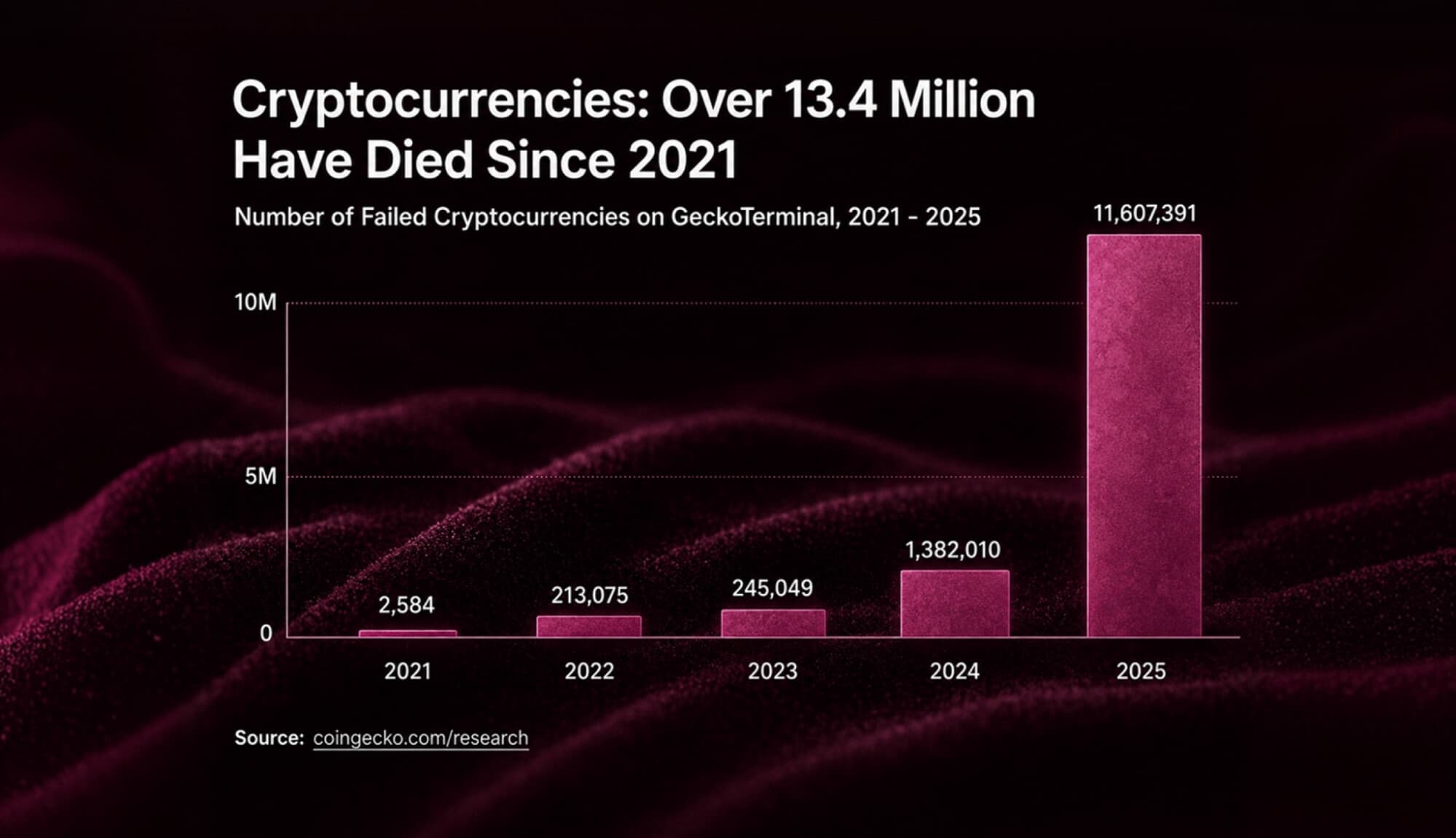
This is the largest system collapse in the crypto market’s entire history. In the fourth quarter of 2025, 7.7 million tokens collapsed on GeckoTerminal. That’s 34.9% of all the crashed projects throughout the entire time the platform has existed.
The cause of the crash was a sharp relocation of capital from cryptocurrencies into US state bonds
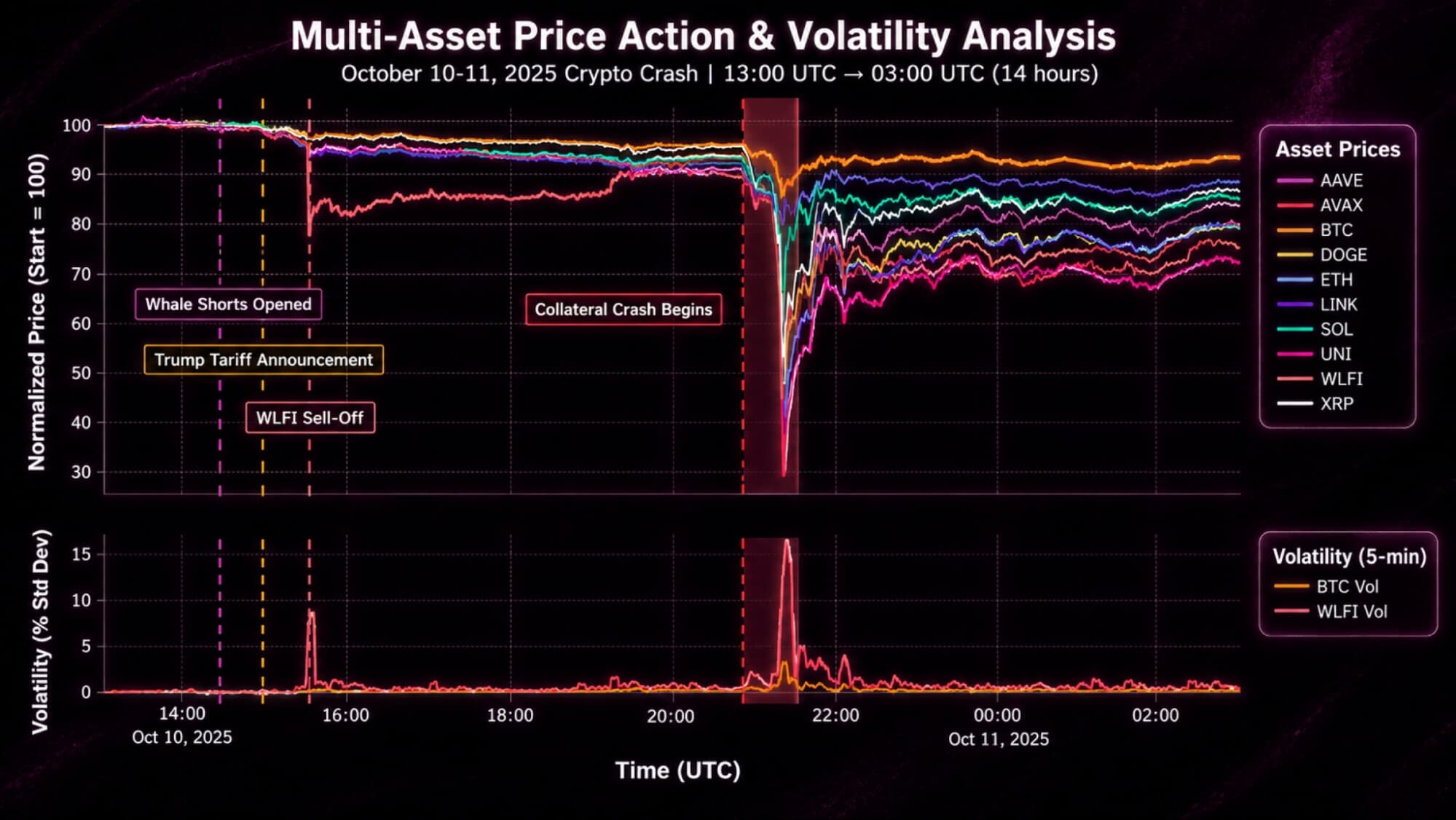
Large players started leaving the market after Trump declared he was introducing tariffs against China. Amberdata analysts restored the timeline of events in detail:
- 14:27: institutional investors start withdrawing funds out of bitcoin en masse and investing them in American bonds.
- 14:57: Trump announces the introduction of tariffs on the Chinese Market. For investors, that was a signal that it wasn’t safe to hold funds on crypto exchanges, while bonds appeared more reliable and advantageous.
- 15:32: WLFI political token dump accelerates the fall.
- 20:50: the crisis begins: the volume of liquidations reaches 6.93 billion dollars.
- 21:15: another 2.05 billion dollars liquidated.
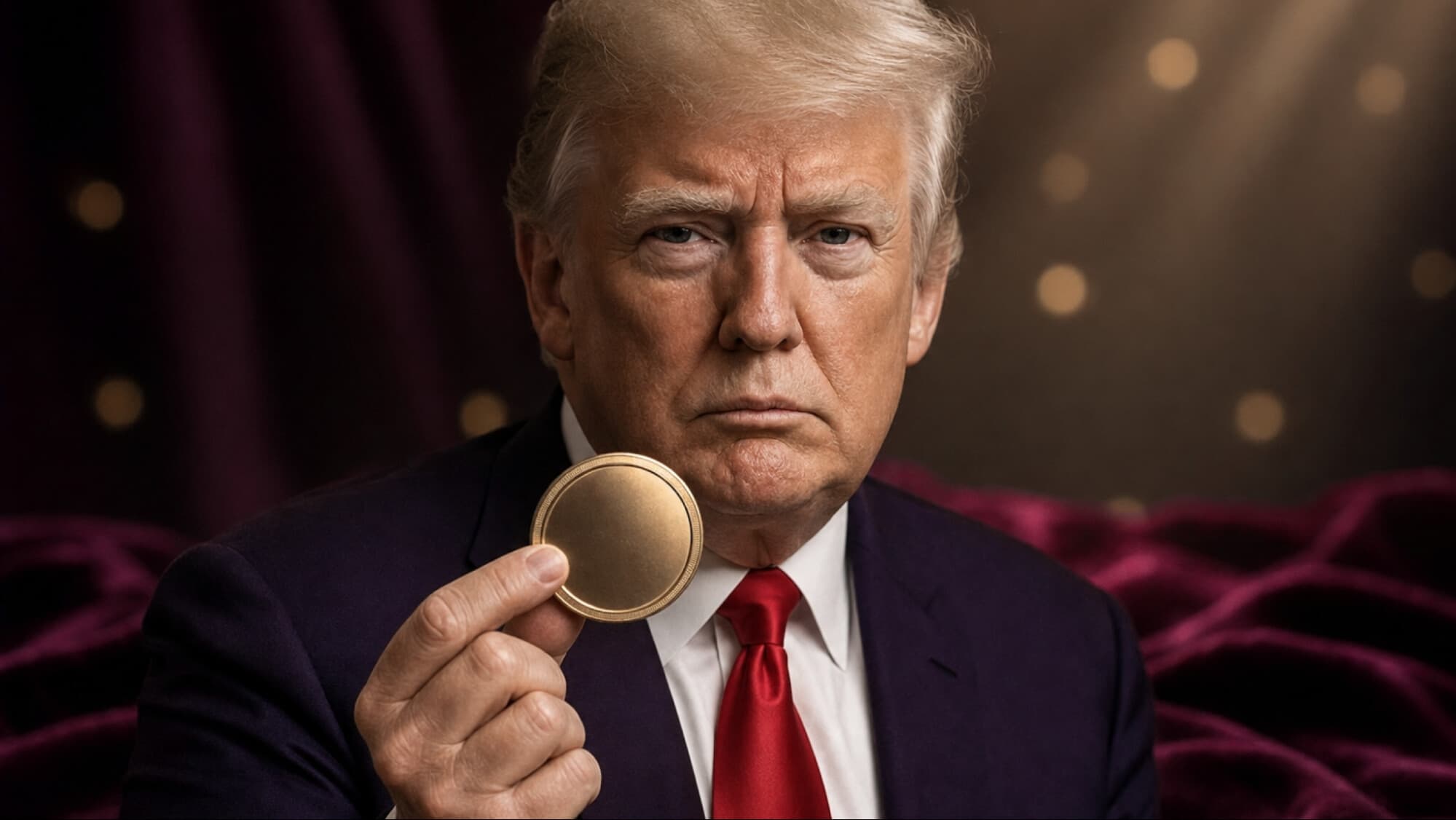
The crypto market is built on an infinite leverage mechanism. Previously, investors took out loans from exchanges to enlarge their positions. But the system is designed in such a way that no losses can be suffered: in other words, as soon as a trader’s collateral runs out, the platform automatically sells their tokens.
Under widespread panic conditions, this mechanism executed like an avalanche and utterly eliminated liquidity. Dozens of millions of tokens were tossed into the market at discounts, but nobody could expect which of them would recover after the collapse. Their range was too broad to make a calculated choice.
Who came out unscathed: islands of stability on the crypto market
Amidst all the Mariana Trench charts, there were, nevertheless, some that held fast without their prices falling. We’re talking about RWA token assets that are profitable for the real-world economy.
Part of the capital went into USDT – as the most common “quiet port” of the cryptomarket. Standing behind it is dollar liquidity and reserves, a substantial portion of which is located in short-term US Treasury bonds. All other investors only chose tokens whose price directly depends on the issuer’s business figures: the more successful the company, the more their token is worth.
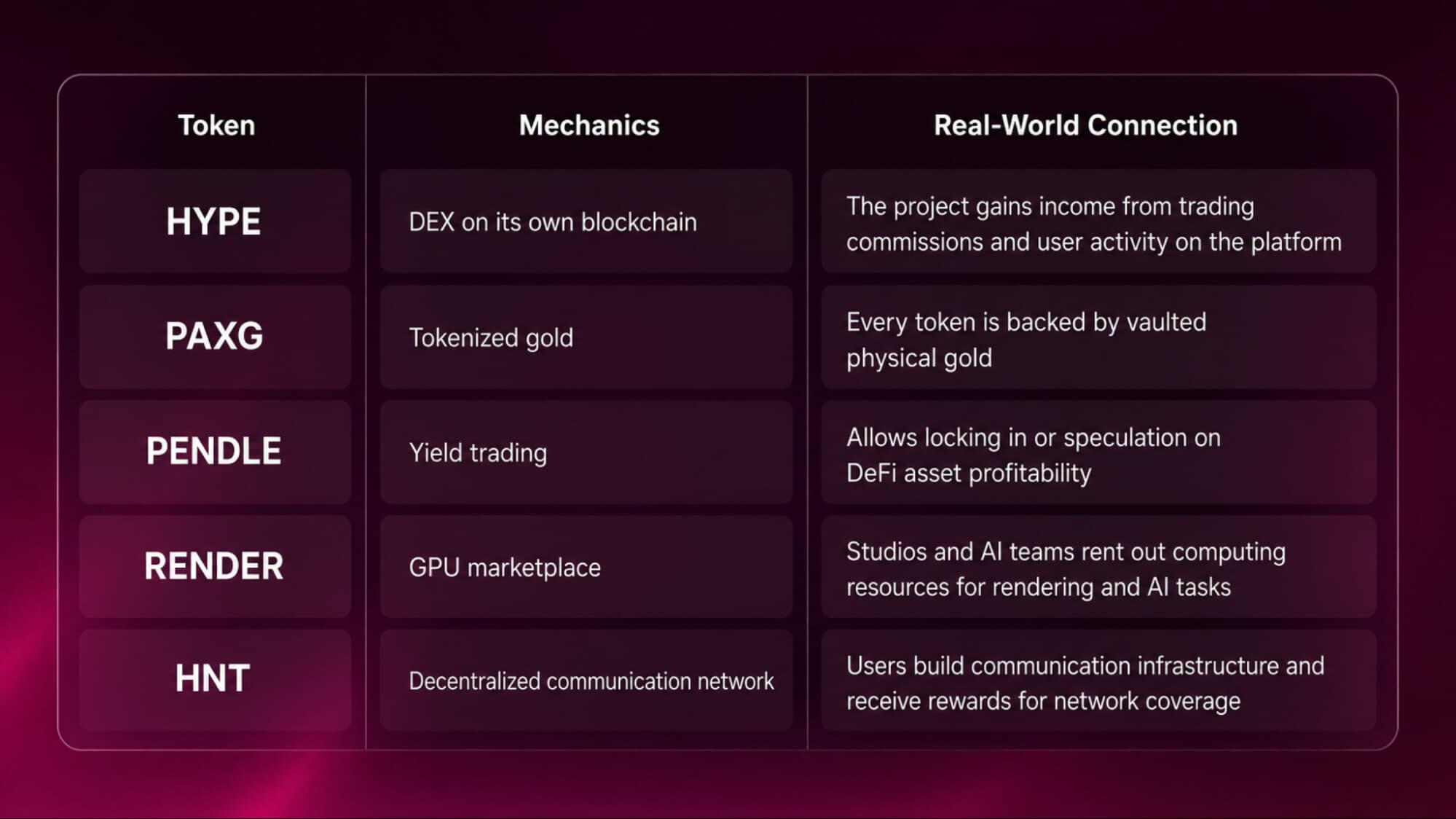
So investors set their sights on HYPE, PAXG, and VVV. HYPE is tied to an exchange infrastructure and commission model, PAXG – to physical gold, and VVV – to the creation of AI agents. What they all have in common is an economic mechanism that can explain not only continued faith in their subsequent growth, but also that they hold a tangible benefit.
How investors’ thinking changed after the downturn
Before the crash, the market was obsessed with quick and easy money, meme coins skyrocketed, and people lined up to get them. As Kraken analysts noted, capital was just flying all around among millions of new empty coins. People thoughtlessly transferred liquidity from one hyped-up coin into another, like a game of “hot potato”.
Now, investors, who have every penny in their accounts, choose tokens tied to the real world. For instance, US Treasury bonds. Yes, the interest rate they provide is small, but they plop real dollars right into your wallet. And that asset isn’t going to collapse into nothing, since it’s got the world’s number one economy standing behind it.
In the Gulf the same logic played out around a more familiar anchor. For investors in the UAE and the wider region, gold has always been the default store of value – Dubai is, after all, the “City of Gold,” and the DMCC handles a large share of the world’s physical bullion trade. So when speculative tokens evaporated, regional capital and family offices gravitated toward tokenized gold and toward yield-bearing RWA instruments that they could actually license, custody, and audit under a clear regulatory framework.
And after October 2025, the reason why money has gone into secured assets isn’t that it’s become the new trend, but because people on the market are terrified. Investors have started looking for anything that isn’t going to hit the floor immediately after the next wave of panic suddenly hits.
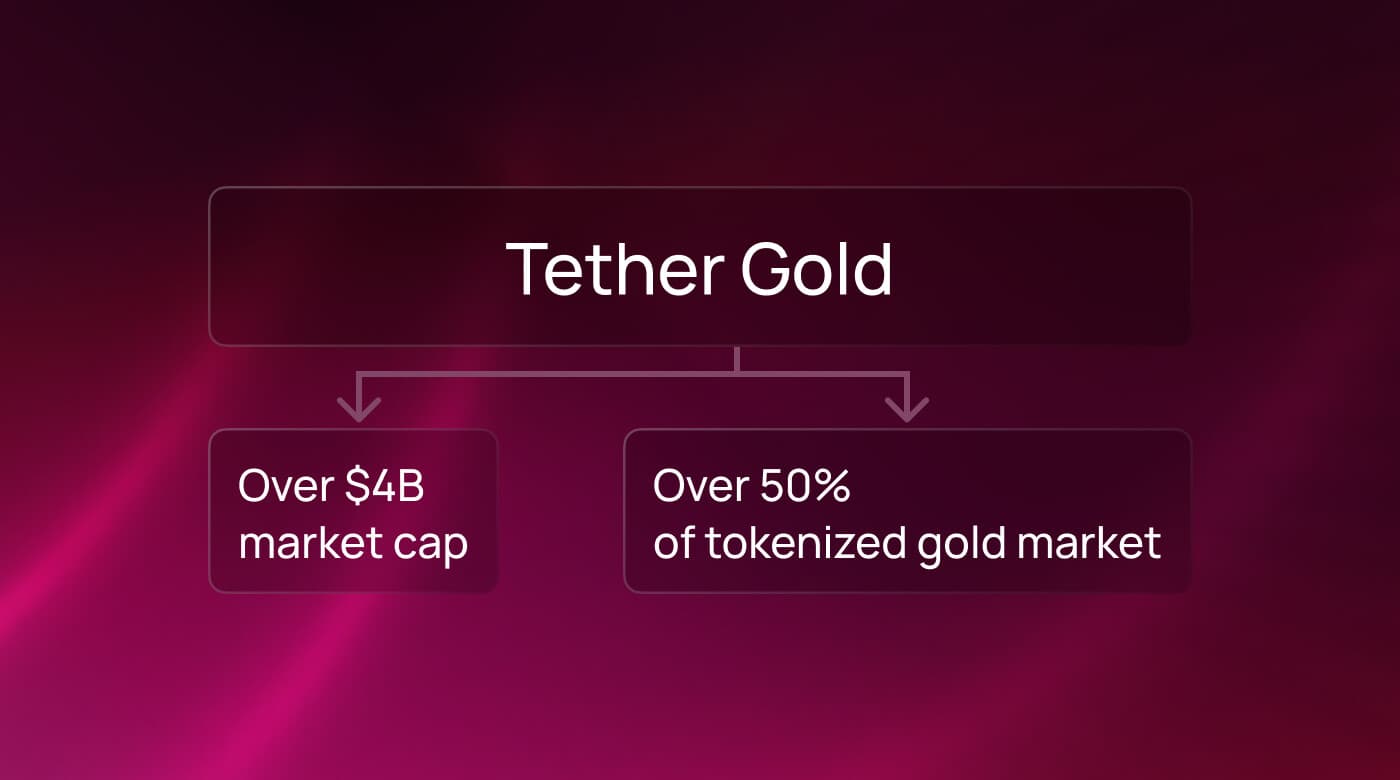
Tether Gold is a fine example of that, as a token backed by real gold. It isn’t propped up by hype and baseless promises that it’s about to grow in the future but by a straightforward physical asset instead. So, Tether Gold’s capitalization reached over $4 billion, and the token accounted for more than half of the entire tokenized gold market. For a UAE audience this is an especially intuitive model: a token like XAUT simply puts the region’s oldest store of value – physical gold – on-chain, with each unit redeemable for bullion. Tether has also signalled its commitment to the region by moving toward a dirham-pegged stablecoin, underlining how closely the “real-asset” thesis tracks the way capital already behaves in the Gulf.
In potent projects, the token is not the product but a tool for the network to launch
Ren Yu Kong, a leading analyst on Blockworks Research platform, explains in his report that these projects use crypto for nothing more than a startup tool. They only need the token to motivate people to buy equipment and connect their servers to the general network. But as soon as the network is built, they start working like a classical business model. The project sells a service to ordinary clients in the Web2 world, generating revenue in the process.
Tokens with real businesses survived since their price ceased to depend on greedy crypto traders. When panic ensued on the market and speculative money dried up, investors saw that infrastructure tokens were backed by real hardware, millions of subscribers, and a stable money flow from paying for real services.
For the most part, two types of projects survived:
- Projects where the token provides access to a product or service: For instance: VVV. Holders can stake tokens and gain proportional access to the API platform's computing power for generating text, images, code, and other tasks. If the user has staked 1% of all VVV, he gains about 1% of the API’s power on a regular basis.
- Projects with buybacks: They direct a portion of their real revenue to buy back their own tokens from the market. HYPE is an example of a project that works this way.
A paradigm shift in the 2026 crypto market: a return to the real economy
According to an InvestaX report, over Q1 2026, the real-world assets (RWA) tokenization market grew 263% year-to-year, reaching $29 billion. According to data from RWA.xyz, institutional investors are sending capital into tokenized bonds and infrastructure projects.
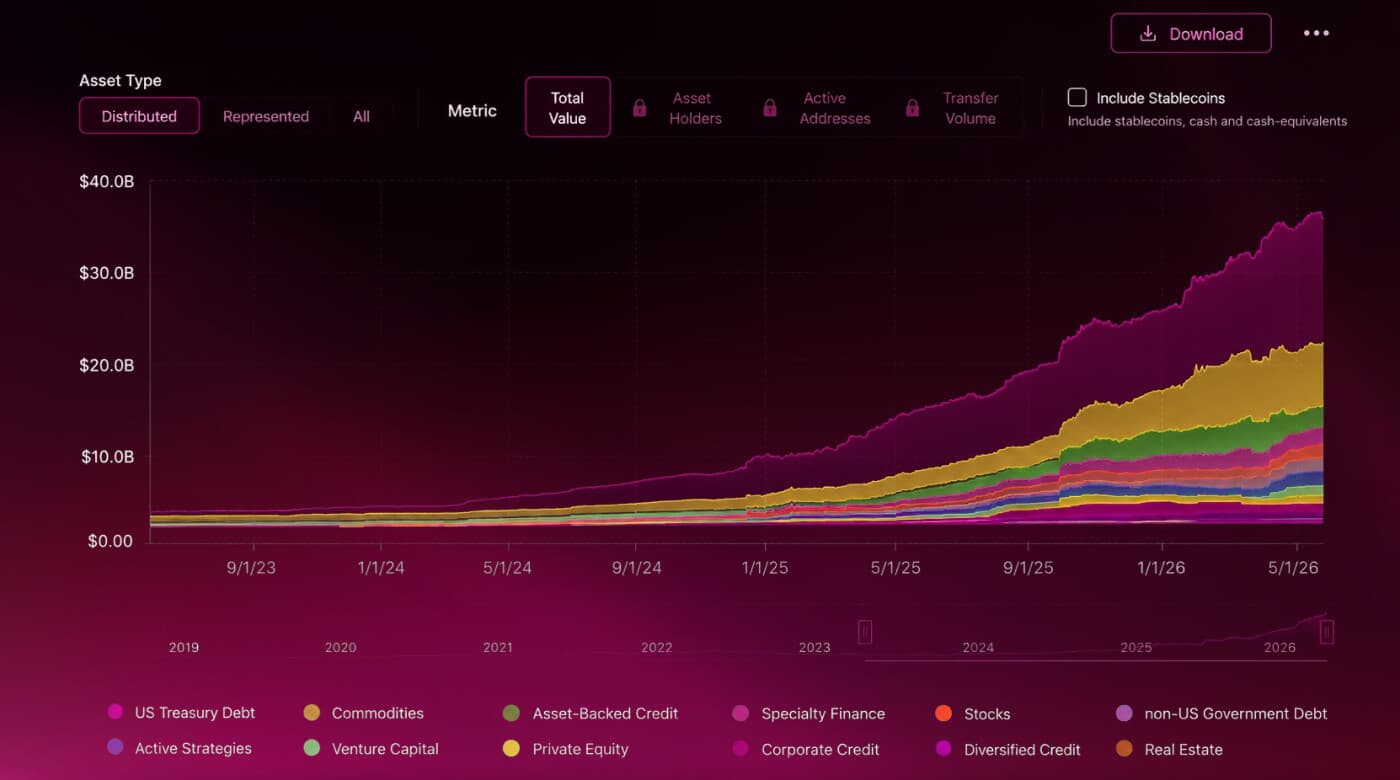
We are witnessing the end of the era of “cryptocurrency for cryptocurrency’s sake”. Big business has turned blockchain into an ordinary technological backend:
- Stripe is connecting Solana and Polygon for instant payments in stablecoins. Here, cryptocurrency fulfills the role of a cheap and fast settlements server.
- BlackRock fund with its BUILD project demonstrates strict financial discipline: one token is always equal to a dollar backed by US state bonds and legal dividends.
- Successful projects now work like a traditional business: they make money in ordinary currency (for instance, off commissions) and use it to buy back their tokens off the market. Rather than an influx of novices causing the rate to rise, it’s growing thanks to real yields.
Why the UAE sits at the centre of this shift
Nowhere is the move “back to real assets” more institutionalised than in the UAE. While much of the market was still chasing meme coins, Dubai and Abu Dhabi were building the regulatory plumbing that makes asset-backed tokens credible:
- Dubai’s VARA (Virtual Assets Regulatory Authority) created a dedicated licensing regime for virtual-asset issuers and service providers – one of the first standalone crypto regulators in the world. Abu Dhabi’s ADGM, through the FSRA, runs a parallel framework, and the federal SCA covers the rest of the Emirates.
- The Dubai Land Department launched a real-estate tokenization pilot (via the PRYPCO Mint platform, in coordination with VARA and the Dubai Future Foundation) – turning property title into on-chain, fractional RWA. This is exactly the “token backed by something real” thesis, but enacted as government policy rather than a marketing slogan.
- The DMCC Crypto Centre in Dubai now hosts hundreds of Web3 and tokenization companies, sitting alongside the very gold and commodities trade that backs assets like XAUT and PAXG.
The takeaway for investors and builders in the region: “Tokenomics 2.0” isn’t a forecast in the UAE – it’s already the operating model. A token here is increasingly expected to be licensed, backed by an auditable real-world asset or a revenue-generating business, and custodied under a recognised regulator. The projects that survived October 2025 are the ones that already looked like this.
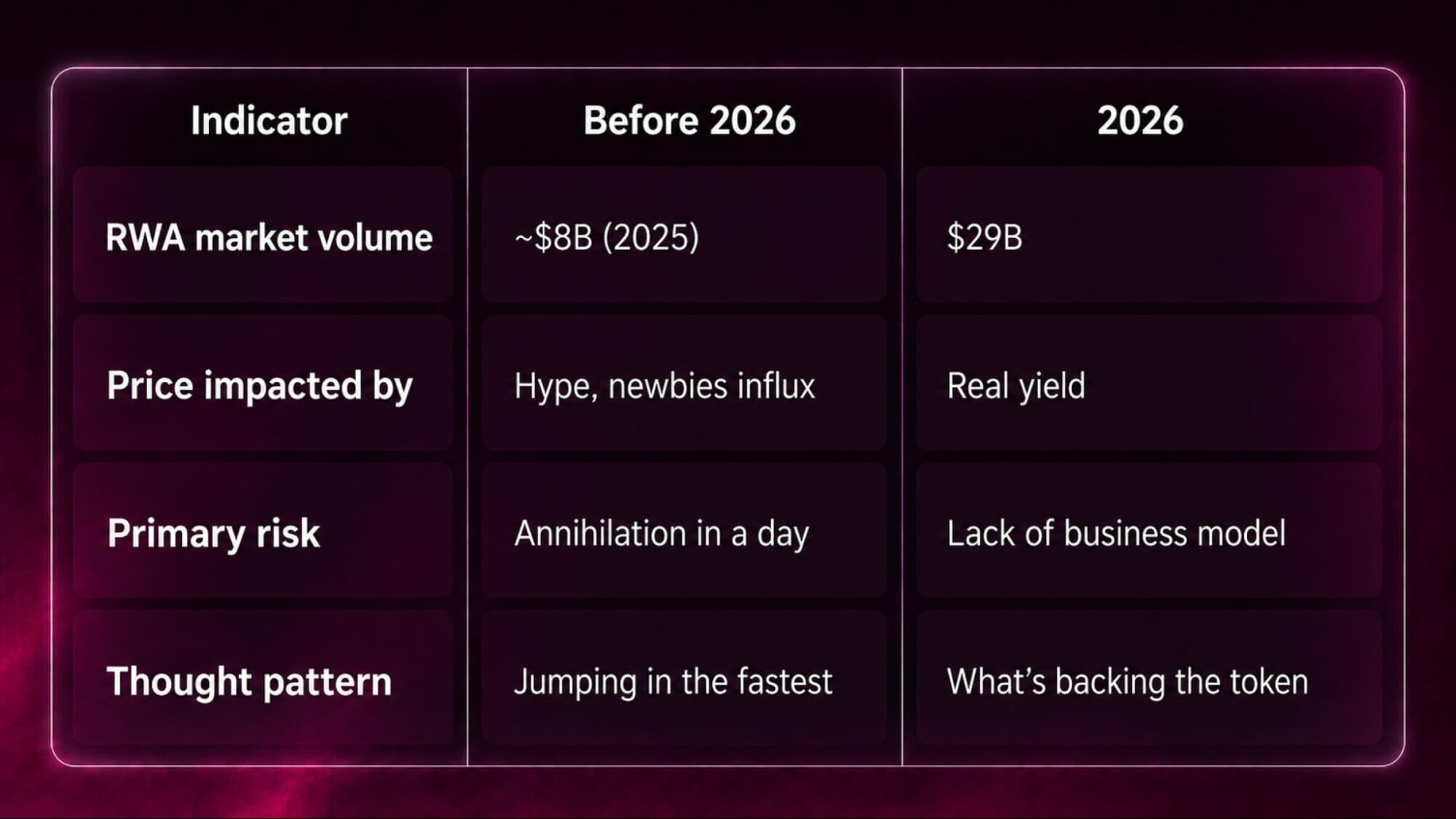
Today tokens don’t have to be useless. When a new project surfaces, it’s crucial to understand its economic essence and business model. It’s the only way to earn money in the new era.
FAQ
What caused that catastrophic crash on October 10, 2025, anyway?
Trump announced that there were going to be new tariffs introduced on Chinese goods. Major players got scared as a result and decided that holding money in cryptocurrency was risky. They started moving their capital into US state bonds en masse instead, which, in turn, caused prices to collapse.
Then, automatic exchange algorithms went into effect: they started forcing investors to sell off their assets whose own funds had run out to cover for leverage. Panic intensified, and within a day, 19 billion dollars in loans disappeared.
But why is it that certain tokens didn’t collapse at all?
Because their value doesn’t depend on speculative hype but is backed by real interest. Take, for example, the BlackRock BUIDL token: it’s 100% backed by fiat currency, investments in US Treasury bills, and steadily yields legitimate dividends. Another example is Tether Gold (XAUT), which is rigidly pegged to physical gold in London safes. Investors just transferred their capital into those reliable alternatives.
How do projects backed by “real businesses” work? Where do they get money from?
These projects employ a classical business model. For instance, the decentralized Helium (HNT) network emits 5G Internet, which real providers and users pay money for. Then there’s Render platform (RENDER), which rents out video cards for graphics and AI computations. They only needed the token at the start to motivate people to connect to the network. From that point, the project went on to generate revenue from regular Web2 customers.
So are the days of meme coins and “empty coins’ officially over?
Judging by the numbers, they are. In just the fourth quarter of 2025 alone, 7.7 million tokens crashed on GeckoTerminal. Now, major players are betting on Tokenomics 2.0. This is a model in which projects make real fiat dollars on commissions, and then they use that profit to buy back their own tokens off the market. The coin grows thanks to real yields as opposed to an influx of new gullible buyers.
How does the UAE fit into this “real-asset” trend?
The UAE is arguably ahead of it. Dubai regulates virtual assets through VARA, Abu Dhabi through the ADGM/FSRA, and the federal SCA covers licensing nationwide – so issuing or holding an asset-backed token can be done under a clear legal framework rather than in a grey zone. On top of that, the Dubai Land Department has piloted tokenized real estate, the DMCC Crypto Centre hosts a large cluster of Web3 firms, and Dubai’s position as a global gold hub makes tokenized-gold assets like XAUT and PAXG culturally and commercially native. For investors in the region, “Tokenomics 2.0” is less a prediction than a description of what’s already being built locally.